


China Requires Overseas Food Factory Registration from June 1
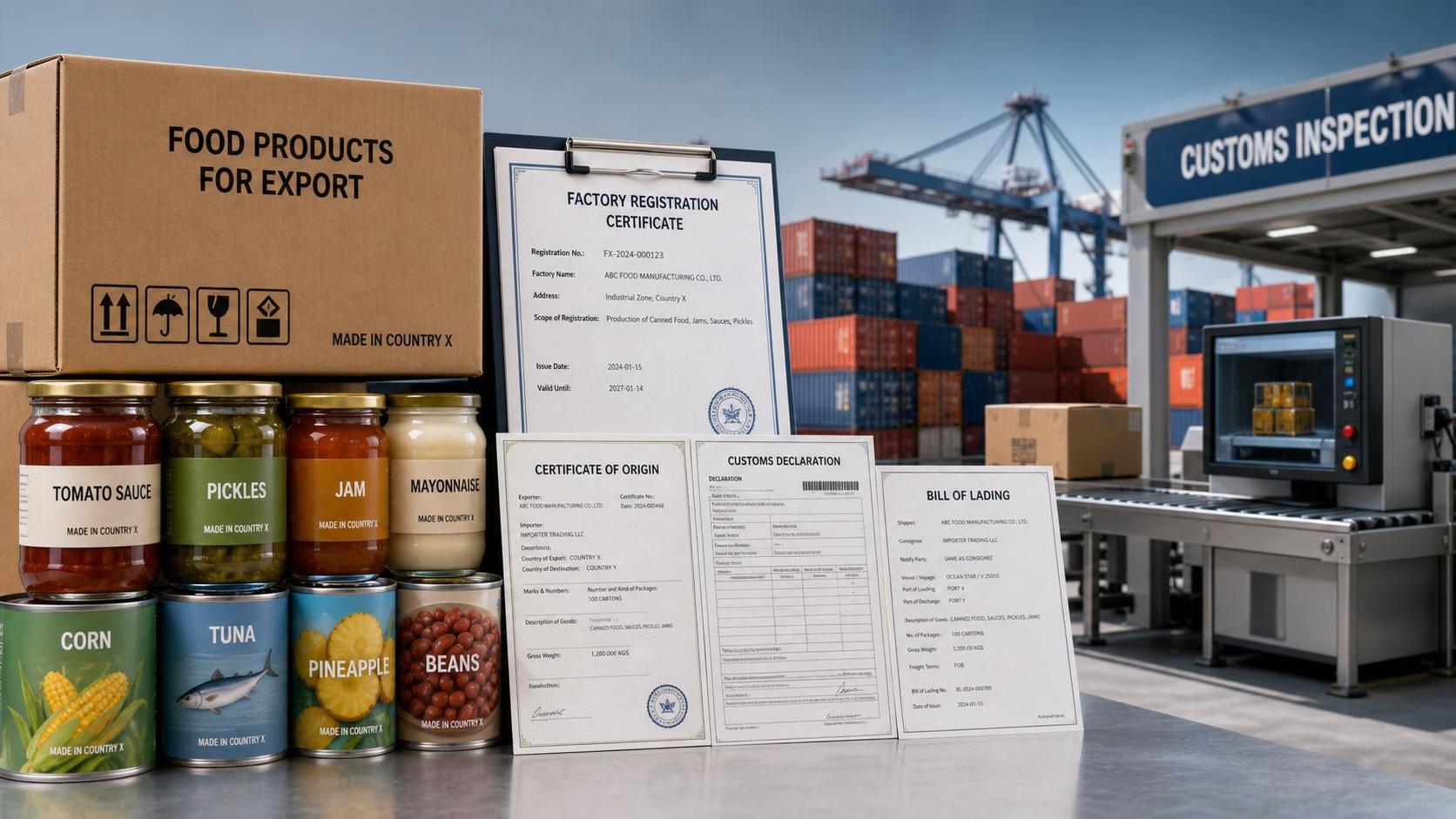
On June 1, 2026, China began fully enforcing mandatory registration for overseas factories that export food to the Chinese market. Under the new requirement, shipments must carry a registration number issued by the General Administration of Customs of China at the customs declaration stage, or they will not be cleared. For cross-border categories such as beauty products, health supplements, and mother-and-baby goods, this is not only a customs compliance issue but also a source qualification and platform risk issue that directly affects sourcing, documentation, and delivery arrangements.
What the rule now requires at the shipment stage
The officially implemented requirement is based on the rules for registration management of overseas food production enterprises for imported food. From June 1, 2026, all overseas factories exporting food to China must complete registration with China customs and obtain a dedicated registration number.
At the declaration stage, that registration number must be provided. If the number is missing, the goods will be refused at customs clearance.
The scope described in the provided information covers popular cross-border categories including beauty products, health supplements, and mother-and-baby products. Required materials include on-site production videos, certificates of origin, and certificates of free sale.
The same information also states that where upstream qualifications are incomplete, products may be removed by platforms or intercepted by customs.
Why the impact extends beyond customs filing
Supply-side qualification checks move closer to the factory level
From an industry perspective, the immediate effect falls on businesses that source from overseas factories. The issue is no longer limited to whether a product can be listed or shipped; it now depends on whether the manufacturing source can complete registration and present the required supporting documents. That makes supplier screening, factory documentation, and onboarding timelines more sensitive than before.
Trading and import operations face a stricter declaration threshold
For direct trading companies and import operators, the most visible pressure point is the customs declaration process. If the required registration number is not available or cannot be matched properly in documentation, the shipment faces a direct clearance barrier. What deserves closer attention is that this turns registration status into an operational prerequisite rather than a back-office compliance formality.
Platforms and channel operators may tighten upstream review
For platform sellers, distributors, and channel operators handling cross-border categories, the risk described in the provided information is twofold: platform delisting and customs interception. In practice, this means upstream qualification files, supplier authenticity, and document completeness become more important in product selection and listing maintenance.
Service providers may see higher coordination demands
Supply chain service providers, documentation teams, and cross-border operations partners may also be affected because the new requirement links factory registration, document preparation, and customs execution more closely. Even where they are not the legal exporter, they may need to coordinate more tightly across suppliers, importers, and channels to avoid shipment disruption.
What companies should review now
Check whether factory registration is already completed
The first practical issue is whether the overseas production site has completed registration with China customs and received its dedicated number. For businesses managing multiple suppliers or multiple product lines, this is likely to become a key checkpoint before shipment scheduling.
Confirm whether supporting documents are complete and usable
The provided information specifically mentions on-site production videos, certificates of origin, and certificates of free sale. Companies should focus on whether these materials are available, current, and consistent across supplier files and customs-facing documentation.
Separate policy wording from execution readiness
Analysis shows that a formal rule and actual shipment readiness are not always the same thing. A supplier may appear commercially ready, but if the source qualification set is incomplete, the business may still face listing or customs problems. This makes internal review of documentation and shipment preparation more important than relying on verbal supplier confirmation alone.
Prepare communication and delivery contingencies
Businesses involved in procurement, import scheduling, and customer delivery should pay closer attention to lead times and contingency planning. Where registration status or supporting files are still uncertain, earlier communication with suppliers and downstream customers may help reduce avoidable delivery friction.
How this is best understood at this stage
Observably, this development should be read as an already effective compliance threshold rather than a distant policy signal, because the requirement is described as formally implemented from June 1, 2026 and directly tied to customs declaration outcomes. At the same time, it is more appropriate to understand the broader market impact as an unfolding process: the rule itself is clear in the provided information, while the extent of operational adjustment across categories and channels still deserves continued attention.
A clearer compliance signal for cross-border product entry
In summary, the core significance of this update is that factory-level qualification and customs declaration are now more tightly connected for imported food-related cross-border trade into China. The immediate result described in the provided information is straightforward: no registration number, no customs clearance. From an industry perspective, the larger takeaway is not simply tighter control, but a shift in where compliance risk appears first—at the source factory and in supporting documents. For now, it is more appropriate to understand this as a concrete operational requirement with broader downstream implications that still need to be tracked in practice.
Basis of this article and what still needs verification
This article is generated based on the user-provided news title, event date, and event summary. The discussion above relies only on the provided information about the June 1, 2026 implementation date, mandatory registration for overseas food factories, the customs declaration number requirement, the covered cross-border categories, and the listed supporting materials and enforcement risks.
For this type of development, source types typically worth checking include official notices, company disclosures, industry association updates, authoritative media reporting, and relevant standard or regulatory documents. A specific official source link was not provided in the input, so further verification is still needed as follow-up information becomes available. Continued attention should focus on any later official wording, implementation clarifications, and category-specific execution details.
Related Posts
CONTACT US

First class quality service and professional after-sales team.
Get in Touch
*We respect your confidentiality and all information are protected.