


China-UAE Direct Sea Route Cuts Heavy Truck Parts Delivery Time by 5-7 Days
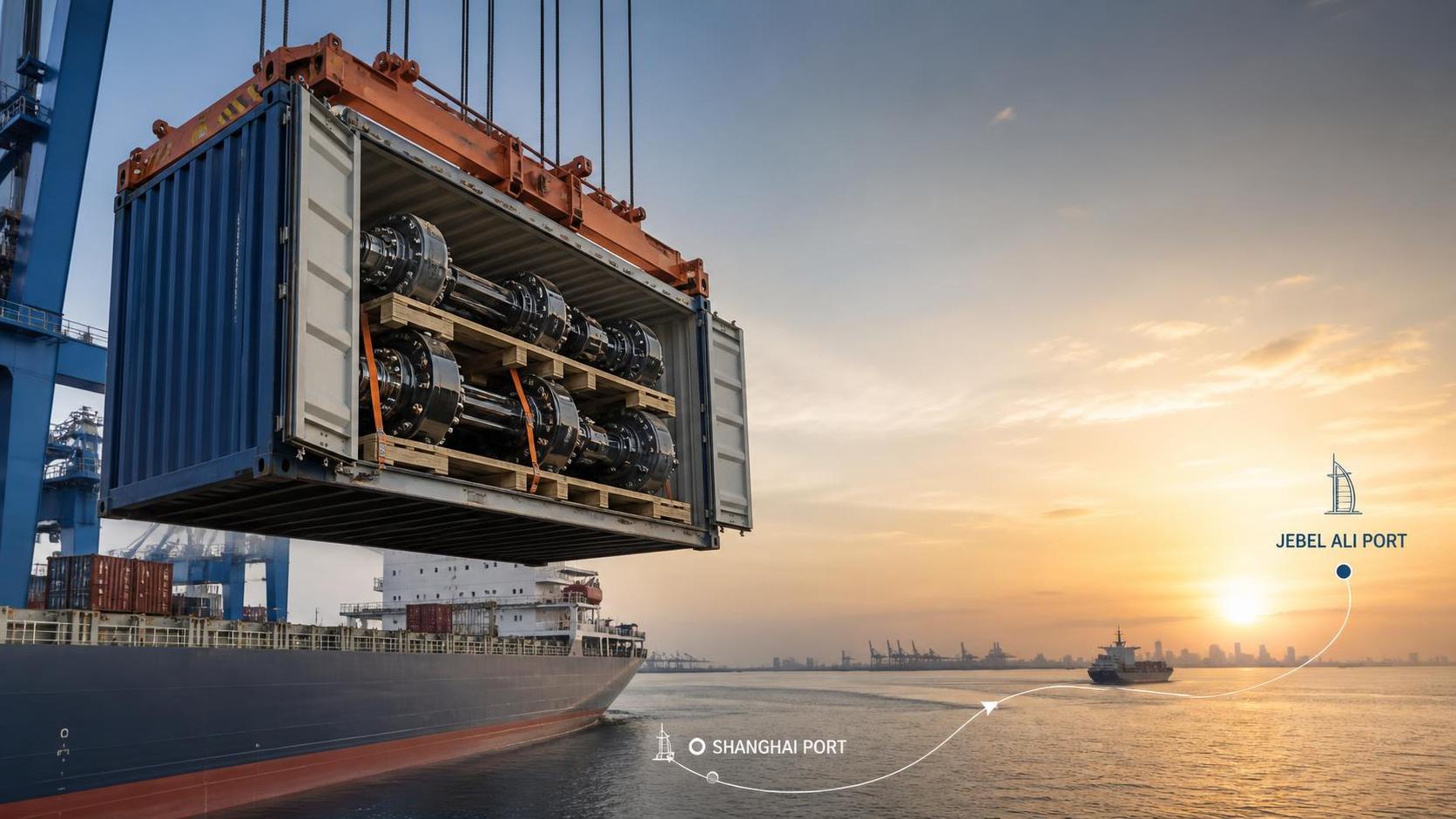
On August 11, 2026, China and the United Arab Emirates officially opened their first direct container shipping route between Shanghai Port and Jebel Ali Port, with dedicated capacity for heavy machinery and industrial parts. Based on the information provided for this update, the route is designed to bypass transshipment ports, which is expected to shorten delivery times for heavy truck component exports from production areas such as Shandong to Middle East markets by five to seven working days.
For the heavy truck parts trade, the immediate significance is not only faster transit, but also greater planning certainty. A direct route reduces one layer of logistics complexity, and the addition of priority customs clearance and a pre-review channel for ISO and CE certification documents suggests a more streamlined export process for qualified shipments. In practice, that could help exporters and overseas buyers align replenishment cycles more closely with actual demand instead of building in extra time for transfer delays.
Why the route matters for the supply chain
Heavy truck and industrial component shipments often carry stricter timing requirements than general cargo because replacement parts affect vehicle uptime, maintenance schedules, and fleet operations. From the perspective of importers, distributors, and end-user fleet operators in the Middle East, a shorter and more predictable lead time may reduce the need to hold as much buffer inventory. That does not automatically translate into broad structural change, but it does improve day-to-day purchasing visibility.
For Chinese suppliers, the route may be especially relevant where order fulfillment has previously been constrained by transfer uncertainty rather than factory output. If the direct service maintains schedule stability, companies serving Middle Eastern aftersales and replacement demand could see a practical advantage in quoting lead times with more confidence.
What businesses should watch next
The current information points to a logistics improvement with clear operational implications, but its broader commercial effect will depend on how consistently the route performs over time. Market participants will likely watch whether dedicated space for heavy machinery and industrial parts remains reliable during peak periods, how smoothly document pre-review works in execution, and whether the customs priority mechanism delivers repeatable time savings beyond the initial rollout.
It will also be worth monitoring whether faster delivery changes ordering behavior among regional buyers. If replenishment cycles become more predictable, the first impact may appear in inventory planning and spare-parts stocking strategies rather than in immediate shifts in total demand.
This article is based solely on the event details provided here. For further validation of operational impact, the most useful follow-up signals would come from official notices, company disclosures, industry association updates, and authoritative media reporting related to the new route and its execution.
Related Posts
CONTACT US

First class quality service and professional after-sales team.
Get in Touch
*We respect your confidentiality and all information are protected.