


U.S. Sets 25% Tariff on Heavy Vehicles and Parts
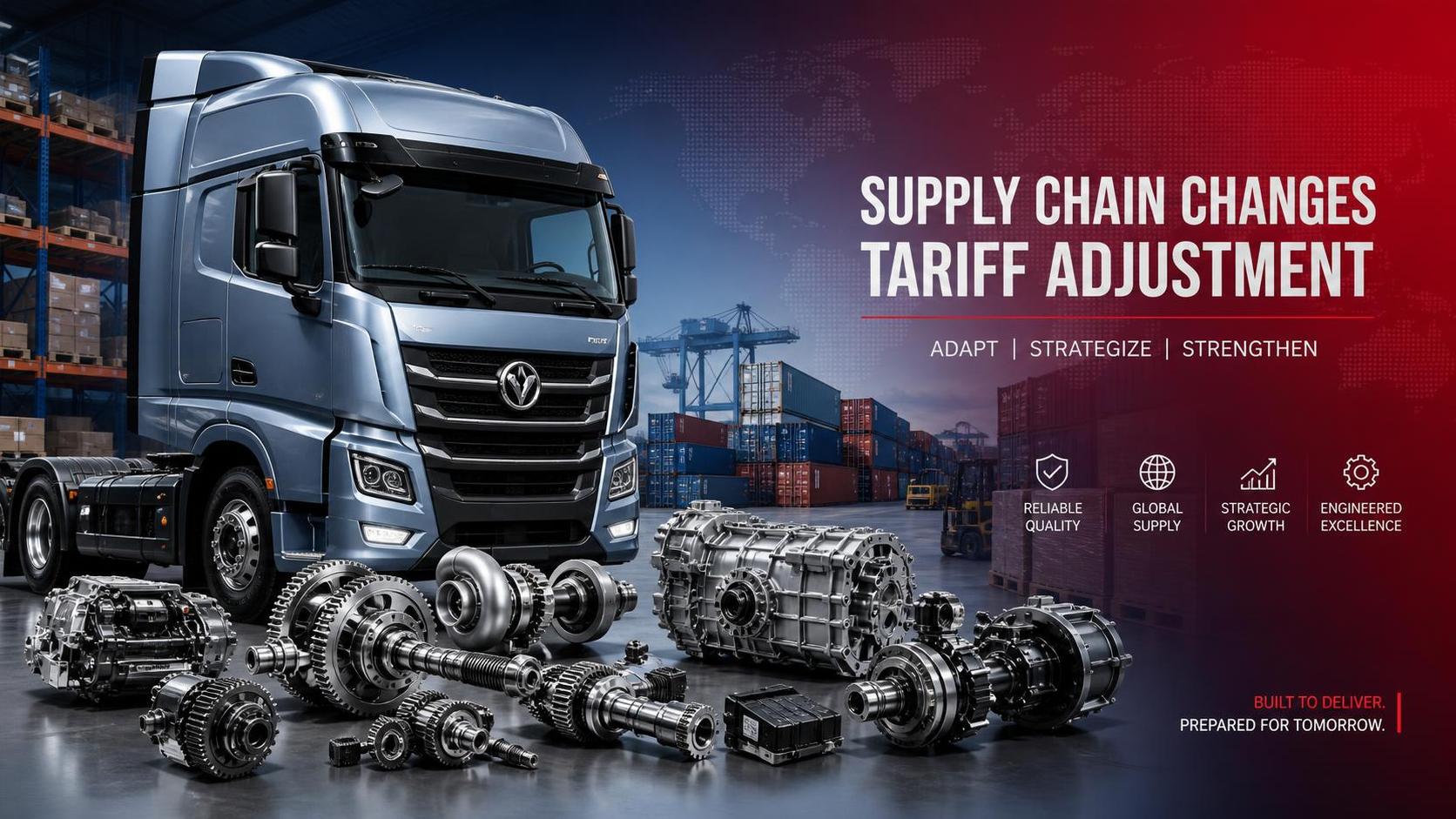
Effective November 1, 2025, the United States will impose a 25% tariff on imported medium- and heavy-duty trucks, buses, and related parts, creating a direct rule change for cross-border trade in these product categories. Because the measure applies to all countries of origin while allowing an exemption for products meeting USMCA regional value content of at least 64%, it deserves close attention from exporters, distributors, procurement teams, and supply chain managers now reviewing pricing, sourcing, customs declarations, and delivery planning.
What Has Been Confirmed So Far
The confirmed information is limited but commercially significant. The announced measure takes effect on 2025-11-01 and applies a 25% tariff to imported medium- and heavy-duty trucks, buses, and their parts. The scope covers all countries of origin. Products that meet a USMCA regional value content threshold of 64% or higher may be exempt from the tariff. The announced change is expected to affect procurement costs and channel arrangements across the global supply chain, with particular pressure on Chinese exporters of heavy-vehicle parts and overseas distributors managing pricing, inventory, and compliance declarations.
Where the Commercial Pressure Is Likely to Appear First
Export transactions and landed-cost calculations
From an industry perspective, exporters and direct trading companies are likely to feel the effect first in quotation logic and landed-cost assumptions. A 25% tariff changes the cost base for U.S.-bound shipments, which can force immediate review of contract pricing, margin allocation, and shipment timing. What deserves closer attention is whether product classification, origin documentation, and supporting trade paperwork are fully aligned with the new tariff treatment and any claimed exemption path.
Distributor pricing and inventory positioning
Overseas distributors and channel operators may face a narrower window for pricing decisions and stock planning. Analysis shows that a tariff increase of this scale can push distributors to reassess reorder cycles, safety stock, and whether to bring inventory forward before the effective date. For these businesses, the operational focus is less about headline policy language and more about declaration readiness, product-by-product cost pass-through, and the risk of holding inventory priced under outdated assumptions.
Procurement and sourcing adjustments
Buyers and sourcing teams in the heavy-vehicle supply chain may need to revisit supplier structures and origin strategies. Because the exemption is linked to a USMCA regional value content threshold of at least 64%, the practical issue is not only tariff exposure but also whether current sourcing models can support exemption eligibility where relevant. Observably, procurement teams should pay closer attention to origin claims, supplier documentation, and the consistency between sourcing records and customs-facing materials.
Compliance declarations and supporting documentation
Supply chain service providers and compliance-related teams may see increased pressure around declaration accuracy and documentation completeness. The announced change points directly to a higher standard of scrutiny for product origin, content qualification, and filing preparation. For companies involved in parts exports, distribution, and aftersales support, the immediate business issue is whether internal documentation, commercial invoices, and technical or product records can support the declared treatment without contradiction.
Practical Issues Companies Should Review Now
Check exemption eligibility with documentary discipline
Analysis shows that the exemption route is one of the most important practical variables in this update. Companies that may rely on USMCA regional value content treatment should review whether their records can support the stated threshold of 64% or higher. At this stage, it would be premature to assume a favorable outcome without a disciplined review of origin-related materials and internal calculation support.
Rework pricing and contract assumptions
For exporters and distributors, a tariff-driven cost shift can quickly affect quotations, contract discussions, and channel margins. What deserves closer attention is whether existing offers, framework agreements, and replenishment plans still reflect realistic delivery economics after November 1, 2025. Where terms depend heavily on import cost assumptions, businesses may need to revisit commercial language and timing arrangements.
Review shipment scheduling and inventory plans
Observably, inventory and delivery planning now become part of compliance-sensitive execution rather than routine logistics. Companies exposed to U.S.-bound demand may need to review shipment timing, stock positioning, and order sequencing in light of the implementation date. Because the input does not provide detailed enforcement mechanics, this should be treated as a planning priority rather than a confirmed execution outcome.
Follow later wording and market-facing documents closely
The current information establishes the tariff measure and the exemption threshold, but it does not provide full operational detail. Companies should therefore monitor later official wording, customer procurement documents, tender requirements, and any market-facing compliance instructions that could shape how the measure is applied in practice. This is especially relevant where declaration language, qualification evidence, or customer acceptance conditions may tighten after the announcement.
Why This Should Be Read as an Execution Signal
It is more appropriate to understand this as an implemented trade-rule change with immediate planning implications, while also recognizing that important details may still need market verification. Analysis shows that the announcement already creates a clear commercial signal for cost, origin, and channel decisions, even if some execution standards may only become clearer through later official communication and transaction practice. For the industry, the key point is not simply that tariffs are rising, but that compliance preparation and sourcing logic now need to be tested against a new threshold-driven framework.
How to Read the Development at This Stage
In practical terms, this development should be read as a concrete policy change with direct implications for trade execution rather than as a background policy discussion. The most rational conclusion for now is that companies tied to medium- and heavy-duty vehicles and related parts should reassess pricing, origin support, procurement structure, and declaration readiness without assuming that all operational questions are already settled. Continued attention is warranted because the commercial effect will depend not only on the tariff itself, but also on how exemption qualification and supporting documentation are handled in live transactions.
Basis of This Article and What Still Needs Verification
This article is based on the user-provided news title, event date, and event summary. For developments of this kind, relevant source types typically include official announcements, releases from regulatory authorities, customs or trade-administration information, industry association updates, standard-setting documents, and reporting from authoritative media. A specific official source link was not provided in the input, so that source detail still requires further verification. Observably, the market should continue to watch for policy detail, practical compliance interpretation, changes in tender or procurement documents, industry feedback, and how affected companies implement the new requirements in actual trade operations.
Related Posts
CONTACT US

First class quality service and professional after-sales team.
Get in Touch
*We respect your confidentiality and all information are protected.